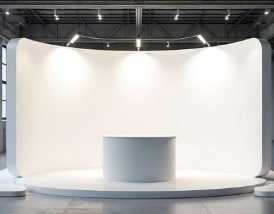
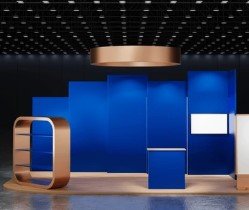
A flexible trade show booth can adapt to various events, saving your company money, increasing your presence, and ensuring a consistent brand experience across multiple platforms. In this article, we will explore the key principles, materials, design strategies, and practical tips for building a trade show booth that is both flexible and impactful.
Understanding the Need for Flexibility
Trade shows vary widely in size, layout, and audience demographics. A booth that works perfectly for a large national convention may not fit in a smaller regional expo. Additionally, your company may want to update its displays, messaging, or product focus depending on the event. A flexible booth addresses these challenges by allowing easy adjustments in size, shape, and content, ensuring your investment delivers maximum value over time.
Benefits of a flexible booth include:
- Cost-effectiveness: One adaptable booth can serve multiple events, reducing the need to purchase separate setups.
- Brand consistency: A modular booth ensures that your branding and design remain consistent, even as components change.
- Ease of transportation and storage: Components that can be packed compactly and reassembled easily reduce logistical headaches.
- Adaptable visitor experience: Modular designs allow you to create intimate spaces for smaller shows or expansive layouts for larger conventions.
Understanding these benefits is the first step toward creating a trade show booth that evolves with your marketing needs.
Step 1: Define Your Goals and Event Requirements
Before designing a flexible booth, you need to clearly define your goals and requirements:
- Objectives: Are you aiming to generate leads, sell products, raise brand awareness, or showcase innovations? Your booth’s design should align with these goals.
- Target Audience: Different events attract different audiences. Understanding your attendees’ expectations will guide the design and functionality.
- Venue Constraints: Research the typical sizes, ceiling heights, and layout restrictions of the events you plan to attend.
- Budget: Determine how much you can invest in a flexible booth without compromising quality or brand representation.
By clearly outlining your objectives, you can ensure your booth is both adaptable and purposeful.
Step 2: Choose a Modular Design Approach
A modular design is the backbone of a flexible trade show booth. This approach involves creating separate components or modules that can be configured in multiple ways to fit different spaces.
Key features of modular designs include:
- Interchangeable Panels: Panels that can be rearranged or stacked allow for different booth shapes and sizes.
- Segmented Display Areas: Dividing your booth into sections (e.g., product demo, lounge, meeting area) enables scalability.
- Adjustable Heights: Some modular systems allow walls, shelves, and signage to adjust in height to match venue requirements.
- Multi-functional Furniture: Tables, counters, and seating that can be reconfigured or collapsed help accommodate different booth layouts.
Popular modular systems include aluminum frame structures, snap-together panels, and lightweight fabric displays. These materials are not only durable but also lightweight for easy assembly and transport.
Step 3: Focus on Branding and Graphics
Flexibility doesn’t mean sacrificing visual impact. High-quality branding and graphics are crucial for attracting visitors and conveying your message.
Consider these strategies:
- Interchangeable Graphics: Use tension fabric displays, magnetic panels, or Velcro-backed graphics that can be swapped out depending on the event theme or product focus.
- Consistent Color Palette: Maintaining a consistent color scheme ensures brand recognition even when booth components change.
- Digital Signage: Screens and monitors allow you to easily update messaging without printing new graphics for each event.
- Lighting Effects: Adjustable LED lights can highlight different areas and create dynamic visual appeal tailored to various booth sizes.
By combining modular structure with adaptable graphics, your booth can maintain a polished, professional look at any event.
Step 4: Optimize Layout for Different Booth Sizes
One of the main challenges of a flexible trade show booth is adapting the layout to different event spaces. Here are practical strategies:
- Scalable Design: Design the booth so that sections can be added or removed. For instance, a 20×20-foot setup could be scaled down to 10×10 feet by removing or folding certain modules.
- Open Flow: Ensure the layout encourages easy movement. Avoid fixed walls that limit traffic flow in smaller spaces.
- Zoning: Designate specific zones for demonstrations, meetings, and storage. Modular partitions can help create separate areas without permanent structures.
- Mobile Elements: Rolling counters, portable displays, and adjustable shelving allow for quick reconfiguration based on floor plan limitations.
By planning for multiple layout possibilities, your booth will remain functional and inviting regardless of the venue.
Step 5: Prioritize Easy Assembly and Disassembly
Trade shows are fast-paced, and your booth should be quick and straightforward to set up and take down. Key considerations include:
- Tool-Free Assembly: Snap-together frames, magnetic connectors, and tension fabric systems reduce setup time and minimize errors.
- Clear Instructions: Include color-coded or numbered components and concise diagrams for efficient assembly.
- Compact Storage: Design modules to stack or fold neatly, minimizing storage space and transportation costs.
- Durable Materials: While lightweight is important, materials should withstand repeated assembly and transport.
A booth that is easy to assemble reduces labor costs, minimizes stress, and allows your team to focus on engaging visitors rather than wrestling with components.
Step 6: Incorporate Technology for Flexibility
Technology can enhance flexibility and interactivity, making your booth more engaging and adaptable:
- Digital Displays: Touchscreens, video walls, or tablets can showcase products, presentations, or interactive content without bulky print materials.
- Modular AV Systems: Portable speakers, projectors, or lighting that can be rearranged for different layouts ensure consistent audiovisual quality.
- QR Codes and Apps: Encourage visitors to access digital catalogs or register for offers, reducing the need for physical handouts.
- Smart Storage Solutions: Incorporate hidden compartments for laptops, cables, and other tech essentials that keep the booth organized and adaptable.
Integrating technology not only supports adaptability but also demonstrates that your brand is innovative and modern.
Step 7: Ensure Comfort and Engagement
A flexible booth should not just look good; it should offer an inviting environment for visitors:
- Seating Options: Modular benches, stools, or lounge chairs can be arranged to create comfortable meeting areas.
- Interactive Spaces: Demonstration zones or hands-on product areas should be easy to expand or reduce in size.
- Climate and Lighting Control: Portable fans, shades, or LED lights can help adjust the environment based on venue conditions.
- Brand Experiences: Include tactile elements like product samples, VR experiences, or interactive displays that can be adjusted according to the booth size and visitor flow.
Prioritizing visitor comfort ensures longer dwell time and more meaningful interactions.
Step 8: Plan for Storage and Transportation
A flexible trade show booth requires thoughtful planning for storage and transport:
- Compact Packing: Use collapsible panels, foldable furniture, and stackable crates to minimize shipping volume.
- Protective Cases: Invest in padded, durable cases for sensitive items like screens, lighting, and electronics.
- Inventory Management: Keep a checklist of components for each event to avoid missing elements.
- Transport-Friendly Materials: Choose materials that are lightweight yet sturdy, making them easier to handle and reducing shipping costs.
Efficient storage and transportation strategies reduce operational stress and ensure your booth components remain in excellent condition.
Step 9: Test and Iterate
Before deploying your booth at multiple events, conduct a trial setup:
- Mock Setup: Assemble the booth in a warehouse or office space to identify assembly challenges or spatial issues.
- Adjust Layouts: Test different configurations to ensure they work in various booth sizes.
- Gather Feedback: Involve your team in evaluating traffic flow, accessibility, and overall design.
- Refine Components: Make necessary adjustments to graphics, modular connectors, or furniture placement.
Regular iteration improves usability, reduces stress at live events, and ensures a polished presentation every time.
Step 10: Maintain and Upgrade
A flexible booth is an ongoing investment. To ensure longevity:
- Routine Maintenance: Check frames, connectors, and graphics for wear and tear after each event.
- Upgrade Graphics: Refresh visuals and digital content periodically to stay relevant.
- Expand Modular Components: Add new modules as your product offerings or marketing strategies evolve.
- Track ROI: Analyze which configurations generate the best engagement to optimize future setups.
By treating your booth as a living, evolving asset, you maximize its effectiveness and lifespan.
Creating a flexible trade show booth that adapts to different events requires careful planning, modular design, strategic use of technology, and attention to branding and visitor experience. By investing in a booth that can scale, reconfigure, and evolve, your company not only saves costs but also ensures consistent brand presence across diverse trade shows. Flexibility enables you to respond to varying venue constraints, audience needs, and marketing objectives, turning every exhibition into an opportunity to impress and engage visitors.
A well-designed flexible trade show booth is more than just a display; it is a versatile platform for storytelling, networking, and building lasting impressions. By following the steps outlined in this article, you can create a booth that is visually striking, highly adaptable, and capable of supporting your brand at every event—no matter the size, location, or audience.